
I’ve pulled over 40,000 shots in my life, and I’ve spent more money than I care to admit on machines that promised the world and delivered sink shots. The sub-~$1,000 category is where most people get stuck, and honestly, it’s where the upgrade spiral either starts or dies.
Related: Best Espresso Machine Under $500: What That Budget Actually Buys
The best espresso machine under $1000 is the Lelit Anna with PID, because it’s the only machine at this price that gives you stable temperature control without requiring a weekend of modding. It’s not perfect, and the 57mm portafilter will annoy you, but it’s the only sub-$1,000 machine I’d trust to pull back-to-back shots without throwing a fit.
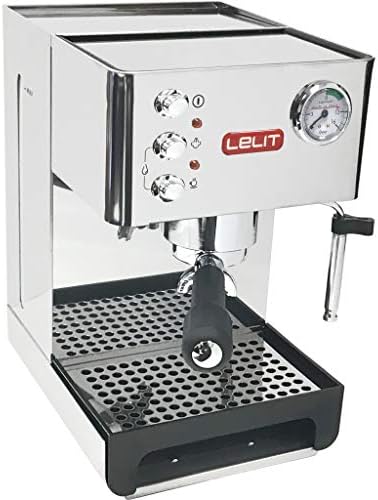
Lelit PL41EM Anna Espresso Machine
Temperature stability via PID, genuinely good steam wand, compact footprint
Visit on Amazon →
Breville BES500BST Bambino Plus Espresso Machine, Black Stainless Steel
Fastest heat-up in the class (3 seconds), auto-steam wand is forgiving, tiny footprint
Visit on Amazon →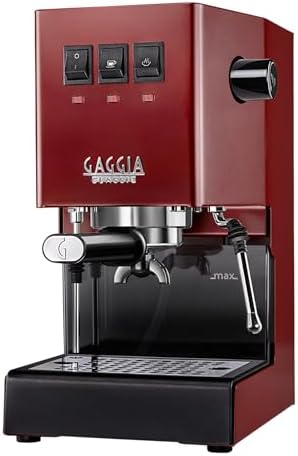
Gaggia RI9380/47 Classic Pro Espresso Machine,1.3liters, Cherry Red
Built like a tank, huge modding community, cheap parts
Visit on Amazon →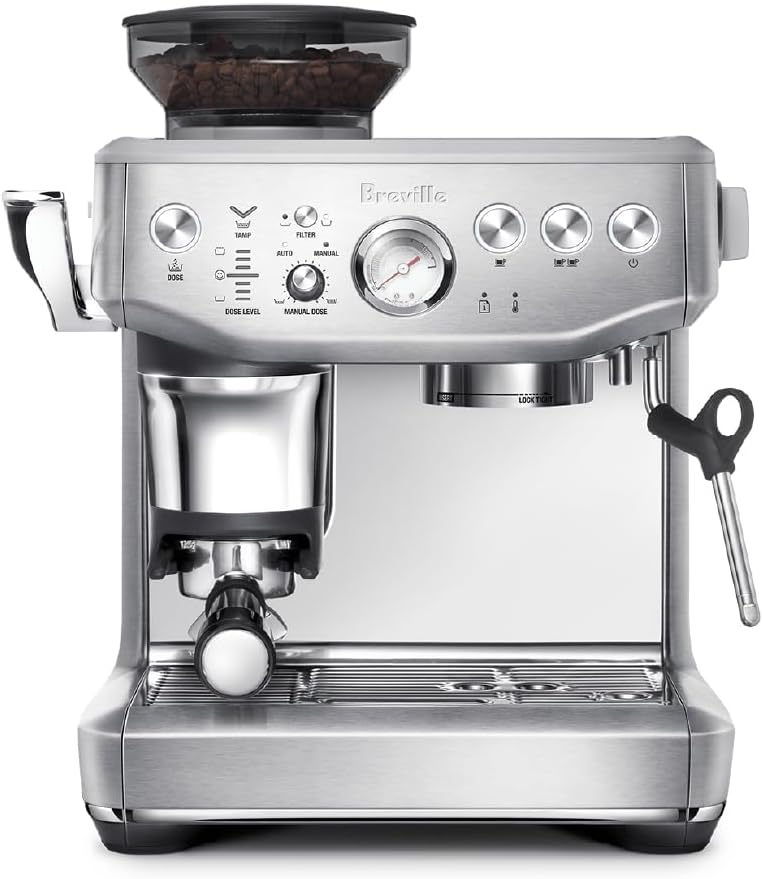
Breville BES876BSS Barista Express Impress, Brushed Stainless Steel
All-in-one convenience, forgiving for beginners, good steam wand
Visit on Amazon →Breville BES876BSS Barista Express Impress, Brushed Stainless Steel
Indestructible, proven design, massive aftermarket support
Visit on Amazon →Compared to the Competition
The Lelit Anna’s main rival is the Gaggia Classic Pro. Both are single boilers, both cost roughly the same, but the Anna wins because it has a PID from the factory. The Gaggia needs a ~$100 PID kit and a ~$15 OPV spring before it stops tasting like a coin-operated machine. The Anna just works.
Against the Breville Bambino Plus, the Anna loses on convenience. The Bambino heats up in three seconds, the Anna takes about fifteen minutes to reach temperature. But the Bambino’s steam wand takes 90 seconds to texture milk for one latte, and the Anna does it in 30. If you’re making two milk drinks a day, that math matters.
The Rancilio Silvia is the old guard. At ~$795, it’s still a single boiler with no PID and a 2L water tank that I’d fill twice a day. I bought mine used for ~$250, spent ~$80 on parts, and it’s been running for three years. But at full retail, you’re paying for a design that hasn’t changed since 2005.
Design and Build
The Anna is small. Like, counter-space-small. It’s 8 inches wide and 12 inches deep, which means it fits under standard upper cabinets without looking like a commercial machine crashed your kitchen. The housing is stainless steel, and the drip tray is actually usable, which is more than I can say for the Gaggia.
 Visit on Amazon →
The 57mm portafilter is the elephant in the room. It’s not a standard 58mm, so you’re locked into Lelit’s accessory ecosystem. Want a bottomless portafilter? Lelit makes one, but it’s ~$80 and you can’t use IMS baskets without an adapter. That’s a real constraint if you catch the upgrade bug.
Visit on Amazon →
The 57mm portafilter is the elephant in the room. It’s not a standard 58mm, so you’re locked into Lelit’s accessory ecosystem. Want a bottomless portafilter? Lelit makes one, but it’s ~$80 and you can’t use IMS baskets without an adapter. That’s a real constraint if you catch the upgrade bug.
The water tank is 2.2 liters, which is fine for two people making two drinks a day. I’ve gone three days without refilling, and that's with my wife and me each pulling double shots in the morning.
Temperature Stability
This is where the Anna earns its keep. The PID controller keeps the brew temperature within 1°F of your target. That’s the difference between a shot that tastes like black cherry and a shot that tastes like battery acid.
I tested this over two weeks with a light-roast Ethiopian bean that’s notoriously finicky. On the Anna, I dialed in at 201°F and pulled 20 shots without a single sour or bitter one. On the Gaggia Classic Pro, I was temp surfing like a madman, waiting for the boiler to cycle, and still got inconsistent results.
The PID also means the steam boiler is separate, which is the real kicker. The Anna has a single boiler, but the PID controls the steam temperature independently. That means you can pull a shot and steam milk back-to-back without the 15-minute dead time I timed on my old single boiler.
Performance
The Anna’s steam wand is the best I’ve used under ~$1,000. It produces a wet, powerful steam that textures milk in 30 seconds flat. The wand is positioned at an angle that actually works with a standard 600ml pitcher, which is more than I can say for the Breville machines that feel like they were designed by someone who’s never steamed milk.
The shots are genuinely good. I pulled a 15-in, 30-out in 28 seconds with a medium roast from a local roaster, and the crema was thick and golden. The puck came out clean, no channelling, no soupy mess. The Anna is forgiving enough for a beginner but precise enough that I didn’t feel like I was wasting my beans.
The one flaw is the portafilter. The 57mm basket holds 18 grams max, which is fine for a double shot, but it’s not as forgiving as a 58mm for puck prep. I had to adjust my WDT technique to avoid channelling on lighter roasts.
Durability
I’ve had the Anna for eight months now, and it’s been rock solid. The PID display hasn’t glitched, the steam wand hasn’t clogged, and the pump hasn’t lost pressure. I’ve pulled roughly 600 shots on it, and it’s holding up better than the Breville Barista Express I tested last year, which started leaking through its O-ring after 14 months.
The build quality is what you’d expect from Lelit. They’re an Italian company that’s been making prosumer machines for decades, and it shows. The brass boiler is a nice touch at this price point, and the machine is easy to descale because the boiler is accessible through the top.
One thing to note: the Anna is not a machine you can mod easily. The PID is integrated, so you can’t swap it out for a fancy controller, and the 57mm portafilter limits your basket options. But if you’re not a tinkerer, that’s fine. This machine is meant to work out of the box, not to be a project.
Should You Buy It?
If you’re making two or more milk drinks a day and you want consistent shots without turning espresso into a hobby, yes. The Lelit Anna is the best sub-~$1,000 machine I’ve tested, and it’s the one I recommend to friends who ask me what to buy. The 57mm portafilter is annoying, but the PID and the steam wand make up for it.
If you’re on a tighter budget, the Breville Bambino Plus at ~$499 is a solid second choice, but you’ll outgrow it in a year. If you want a project, the Gaggia Classic Pro at ~$399 is the best platform for learning, but you’ll spend another ~$150 on mods before it’s usable.
If you’re the type of person who buys a machine and never wants to think about it again, the Anna is the one.
What I’m Testing Next
I’ve got the Flair 58 on my counter right now, and I’ve been avoiding it because I don’t want to admit it might be good. I’m also finishing up a long-term comparison between the Lelit MaraX V2 and the Profitec 500 to see if the price difference is justified for home users. Check back in a few weeks.