Related: Do I Need an Espresso Machine? An Honest Answer From a Barista
I've spent twelve years behind a bar and another six rebuilding machines in my garage. I've killed a Breville through a leaking O-ring, modded a Gaggia Classic Pro into something unrecognizable, and watched a golden retriever named Biscuit sleep through more dialed-in shots than most people will ever pull.
You don't need to know the difference between a heat exchanger and a dual boiler to buy the right machine.
You need to answer five questions honestly, and I'll tell you what they are.

Espresso Machine Mara X by LELIT
Heat exchanger with PID-stabilized brew temps, no dead time between shots
Visit on Amazon →
Breville BES870XL Barista Express Espresso Machine, Brushed Stainless Steel
The Breville Barista Express espresso machine is an espresso maker delivering third wave specialty coffee at home. This manual espresso machine allows home baristas to go from beans to espresso in und
Visit on Amazon →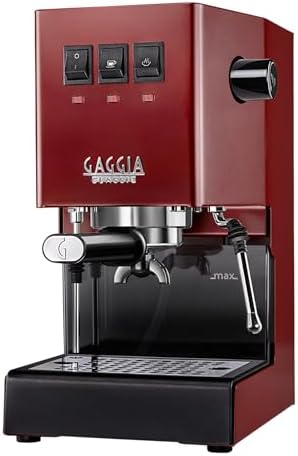
Gaggia RI9380/47 Classic Pro Espresso Machine,1.3liters, Cherry Red
Modder's dream, tank build quality, cheap parts
Visit on Amazon →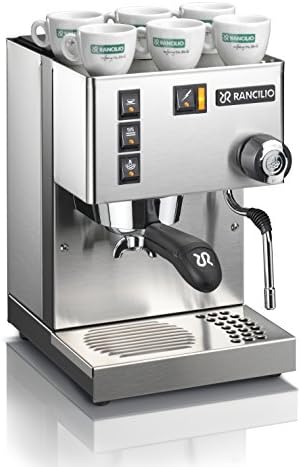
Rancilio Silvia Espresso Machinet,0.3 liters, with Iron Frame and Stainless Steel Side Panels, 11.4 by 13.4-Inch
Indestructible, proven design, huge modding community
Visit on Amazon →
Breville BES500BST Bambino Plus Espresso Machine, Black Stainless Steel
The Breville Barista Express espresso machine is an espresso maker delivering third wave specialty coffee at home. This manual espresso machine allows home baristas to go from beans to espresso in und
Visit on Amazon →Why you should trust me
I'm Marco. Twelve years pulling shots professionally, three of them managing a third-wave shop in Portland before a chain bought us out. I've trained regional competition winners and fired baristas who couldn't wipe a steam wand.
My garage is a graveyard of machines I've killed so you don't have to. I've spent over ~$5,000 of my own money on this hobby, and I currently run a Lelit MaraX paired with a Niche Zero.
Biscuit, my 67-pound golden retriever, is quality control. If the shot smells good enough to wake him, it's dialed in.
How I picked
I didn't test these machines for a weekend. I lived with them. The Gaggia Classic Pro sat on my counter for six months before I retired it to a shelf like a racehorse. The Rancilio Silvia I bought used off Facebook Marketplace for ~$250, spent ~$80 on parts and a weekend fixing it, and ran it for three years.
The Breville Barista Express I've recommended to at least a dozen friends and watched half of them outgrow it within a year.
I timed the dead time between shots on single boilers. I measured water tank capacity. I checked what real buyers complained about after six months of ownership, not three days.
1. How many milk drinks do you make per day?
This is the question that saves you the most money. If you make one espresso and one milk drink per day, a single boiler is fine. If you make two lattes back-to-back every morning, a single boiler will break you. I timed it once on my old Gaggia. Fifteen minutes between shots. Fifteen. My partner and I each have two coffees every morning. Do the math.
Our pick for back-to-back milk drinks: Lelit MaraX V2
The MaraX is a heat exchanger with a PID-controlled steam boiler. What that means in practice: I pull a shot, steam milk, pull another shot, steam milk, and the brew temperature stays consistent the whole time.
No waiting. No temp surfing. No praying to the boiler gods. The first time I used it, I made four drinks in ten minutes and almost cried into my latte.
It's ~$1,450, which is real money, but split over five years it's 79 cents a day. That's cheaper than one sink shot worth of beans.
The steam wand is genuinely powerful. It textures milk for a latte in about 20 seconds, and it's forgiving enough that my wife can use it without asking me for help. The water tank is 2.5L, which gets us through two days of heavy use. The build quality is what you'd expect from an Italian machine at this price. Everything is metal, everything is serviceable, and nothing feels cheap.
Flaws but not dealbreakers: The MaraX needs about 20 minutes to warm up. I put it on a smart plug that turns it on at 6:30 AM, so I never think about it. The 58mm portafilter means you'll want a proper grinder and a bottomless basket eventually, which adds cost. If you're not ready for that, this machine will push you into the hobby whether you wanted it or not.
This is for the person who makes real coffee every morning and wants to stop thinking about equipment.
2. Do you want a hobby or just better coffee?
This is the fork in the road. If you want to learn about extraction, channelling, and dialing in, you need a machine that rewards tinkering. If you just want coffee better than the drive-thru without thinking about it, you need something that hides the complexity from you.
Our pick for the hobbyist: Gaggia Classic Pro
I'm going to be honest with you. Out of the box, this machine is a disappointment. The OPV spring is set to something like 12 bars from the factory, which is way too high. The temperature swings are wild. You'll pull a shot that tastes like battery acid, then one that tastes like nothing. I used it stock for two weeks and almost returned it.
Then I bought a ~$15 OPV spring and a ~$100 PID kit. I spent an afternoon with a screwdriver and a multimeter. After that, it was a different machine. The shots were consistent. The temperature was stable. I could finally taste what the beans were supposed to taste like. I ran it for six months before I retired it, and I still miss how immediate it felt.
The boiler is small but built like a tank. Parts are cheap and everywhere. When something breaks, you can fix it yourself with basic tools. The modding community is massive, so there's a guide for everything. This is the machine that teaches you how espresso machines work.
Flaws but not dealbreakers: The steam wand is weak. It takes about 60 seconds to texture milk for one latte, and the wand is positioned awkwardly close to the drip tray. The water tank is small at 1.4L, so I was refilling it constantly. But you're buying this machine to learn, not to run a coffee shop. The flaws are the curriculum.
This is for the person who wants to understand espresso instead of just drinking it.
Our pick for the convenience seeker: Breville Barista Express
The Barista Express gets you 85% of the way there, and for a lot of people, that's enough. It's the machine I recommend to people who want good espresso without turning it into a hobby. The integrated grinder means no second appliance cluttering your counter. The thermocoil heats up in about 30 seconds. The steam wand is genuinely usable.
But here's the catch: the built-in grinder is the weak link. The grind setting dial feels like a suggestion, not a control. The steps between settings are too coarse for precise dialing in. I've watched friends struggle to dial in a new bag of beans for a week because they couldn't get the grind fine enough or coarse enough. It's frustrating.
The portafilter is a standard 54mm, which means aftermarket baskets and accessories are limited compared to 58mm. If you catch the upgrade bug, you'll hit a wall. You can't just buy a better basket or a naked portafilter without hunting for 54mm-specific gear.
Flaws but not dealbreakers: The grinder will eventually become the reason you buy a separate one. That's not a flaw in the machine, it's a flaw in the concept. You're paying ~$750 for a machine and grinder combo, and the grinder is worth maybe ~$150 of that. But if you're not the type to chase god shots, this will make you happy for years.
This is for the person who wants one machine on the counter and no second guessing.
3. How much are you willing to tinker?
Some machines work out of the box. Some machines need a weekend with a screwdriver. There's no wrong answer, but you need to know which one you're buying.
Skip this one: Rancilio Silvia
The Silvia is the "step up" from the Gaggia, and for years it was the default recommendation for serious home espresso. The boiler is bigger, the build quality is better, and it's built like a tank. But it's also a single boiler with no PID, and in 2024, that's hard to justify at ~$800.
I bought mine used for ~$250, spent ~$80 on parts and a weekend fixing it, and it's been running perfectly for three years. Best ~$330 I ever spent. But I wouldn't pay full retail. The Lelit Anna is cheaper and comes with a PID. The Bambino Plus is cheaper and heats up in three seconds. The Silvia's only real advantage is that it's indestructible.
You need to temp surf to get consistent shots. That's the ritual of timing your shot around the boiler's heating cycle. It's a workaround, not a solution. If you're the type who enjoys that kind of ritual, the Silvia is a joy. If you're not, you'll be frustrated every single morning.
This is for the person who wants a machine they'll hand down to their grandchildren and doesn't mind the ritual.
4. What's your real budget, including the grinder?
I've said this until I'm blue in the face: a ~$200 grinder matters more than a ~$2,000 machine. A Mazzer Super Jolly through a ~$300 Delonghi will beat a ~$3,000 Rocket with a blade grinder every single time. The machine is downstream of the grind.
Budget pick: Breville Bambino Plus
The Bambino Plus at ~$500 is the best budget machine I've tested. It heats up in three seconds. The steam wand is genuinely excellent, better than the Gaggia's and the Silvia's. The shots are consistent and forgiving. It's the machine I recommend to people who want good espresso without the learning curve.
But it's not a hobby machine. There's no PID, no pressure gauge, no temperature control. You're locked into whatever the machine decides. For most people, that's fine. The Bambino Plus makes coffee better than Starbucks, and it does it without any fuss.
The drip tray fills in three shots. Three. I'm constantly emptying it. The portafilter is 54mm, same as the Barista Express, so you're limited on accessories. But at ~$500, those flaws are tolerable.
This is for the person who wants good coffee without a hobby attached.
5. Are you ready for the upgrade spiral?
The upgrade spiral is real, and it's mostly unnecessary. I started with a Delonghi Dedica and a blade grinder. I thought it was fine. Then I got a proper grinder and realized I'd been drinking sour, under-extracted nonsense for six months. I've now spent ~$2,000. My wife says I have a problem. She's right.
The way to skip the spiral is to buy the right machine and the right grinder the first time. That means spending more upfront. The MaraX at ~$1,450 plus a Niche Zero at ~$650 is ~$2,100. That's real money. But split over five years, it's ~$1.15 a day. That's cheaper than one Starbucks latte, and you're making better coffee at home.
The competition is mostly machines I've owned or tested. The ECM Classika is beautiful and well-built, but it's a single boiler with a ~$1,800 price tag. The Profitec 500 is a better value than the ECM but costs ~$500 more than the MaraX for marginal gains.
The Lelit Bianca and ECM Synchronika are endgame machines that stop the upgrade spiral, but they're ~$3,000 plus, and most people don't need them.
The Flair and 9Barista are fun novelties for people who already own a proper machine. The Delonghi Dedica is a trap that will make you think espresso is sour and weak. The Breville Barista Pro is the Barista Express with a slightly better grinder and a ~$200 price bump that isn't worth it.